Blur Is the New Sharp
Phones can capture every pore, so a new wave of image makers is choosing motion, smudge and glow instead. Why imperfect pictures can feel more true.
wxrldaura Editors
Editorial team
· 2 min read
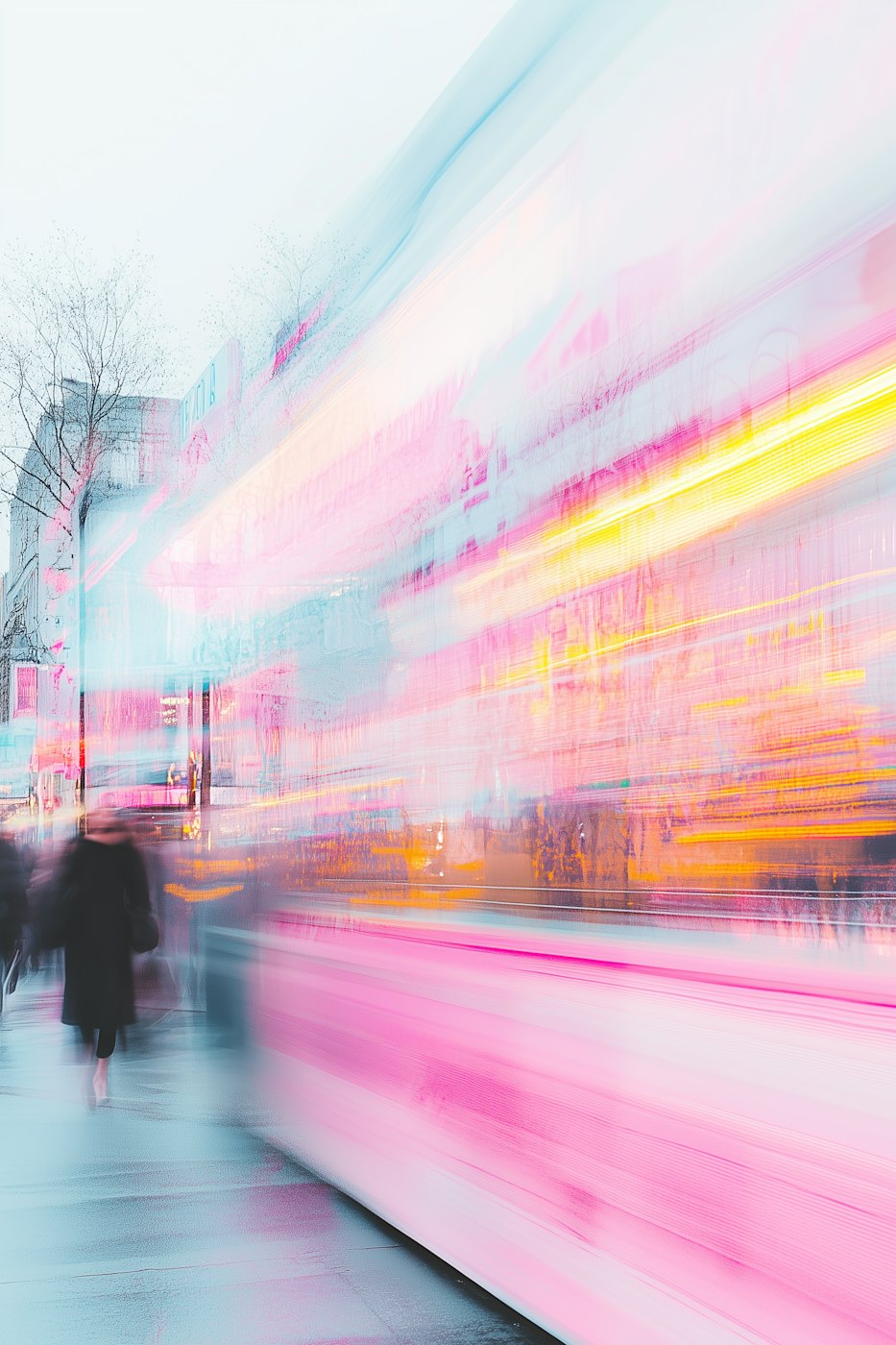
Our phones are astonishing cameras. They can see in the dark, freeze a hummingbird mid flight and render every pore on a face in crisp detail. And yet some of the most exciting images in our feeds right now are deliberately soft. Streaked. Smudged. Glowing at the edges like a memory you cannot quite hold.
Blur has gone from mistake to method. Photographers are dragging their shutters, shaking their cameras and shooting through glass, plastic and steam to get pictures that feel the way a moment felt rather than the way it looked.
Why sharp started to feel cold
When every image is perfectly in focus, perfection stops meaning very much. A sharp photo tells you what was there. A blurred one tells you what it was like to be there: the speed of the tram, the rush of the crowd, the warmth of the light spilling out of a shop window.
A sharp photo tells you what was there. A blurred one tells you what it felt like.
There is also something quietly rebellious about it. In a world of filters that smooth and sharpen everything, choosing blur is choosing mood over information. It asks the viewer to slow down and fill in the gaps.
Try it yourself
Slow the shutter. Use a long exposure mode or a manual camera app and keep the shutter open while the world moves.
Move with your subject. Pan the camera alongside a cyclist, a bus or a friend walking, and watch the background melt.
Shoot through things. Rainy windows, plastic sleeves and coloured glass all soften the light in unpredictable ways.
Chase colour. Blur works best with strong, bright light. Neon signs, sunsets and shop fronts turn into paint.
The aura of an image
Long before it became slang, aura was a word critics used for the presence an original artwork has when you stand in front of it. Blurred photography gets close to that feeling. It does not try to record everything. It tries to keep the one thing that mattered. Sometimes the most truthful picture is the one that refuses to hold still.